

The Importance of Safety Signs in Ensuring Protection at Work

In any working environment, communicating potential dangers clearly and swiftly can mean the difference between a safe day and a serious incident. Workplace safety signs serve as a constant, silent line of defence, guiding employees and visitors alike through environments that carry inherent risks. Far from being mere regulatory boxes to tick, they form a vital part of any organisation’s broader commitment to occupational safety standards and staff wellbeing.
Key takeaways
- Workplace safety signs act as a critical, silent line of defense by providing clear and immediate hazard communication in environments where verbal warnings are ineffective.
- Safety signage categorizes information into prohibition, mandatory PPE, hazard warning, and emergency symbols to ensure immediate recognition across diverse groups.
- The use of universal pictograms and color-coded designs overcomes language barriers, fostering an inclusive and secure environment that improves employee focus and morale.
- Implementing an effective signage strategy requires conducting thorough risk assessments to place appropriate warnings where hazards cannot be otherwise controlled.
- Legal compliance regarding safety signs is mandatory for employers, with failure to maintain proper signage potentially resulting in significant fines and increased accident risks.
- Maintaining signage through regular audits ensures that labels remain legible and relevant to current workplace conditions, preventing them from becoming ignored or outdated.
Why Safety Signs Are the Backbone of Workplace Hazard Prevention
Effective workplace hazard prevention relies on rapid, unambiguous communication. In busy or noisy settings where verbal warnings are impractical, a well-placed sign delivers its message instantly. Research indicates that fewer accidents occur in environments where safety signage is prominently displayed and properly maintained, underscoring just how significant a role these visual cues play in daily operations. Beyond preventing injuries, they also contribute to a broader safety culture, encouraging every individual on site to take shared responsibility for the environment around them.
Understanding the Different Categories of Safety Signs and Their Roles
Not all safety signs are created equal. Each category carries a distinct purpose and visual language designed for immediate recognition. The principal types include:
- Prohibition signs, which forbid certain behaviours or actions that could create danger.
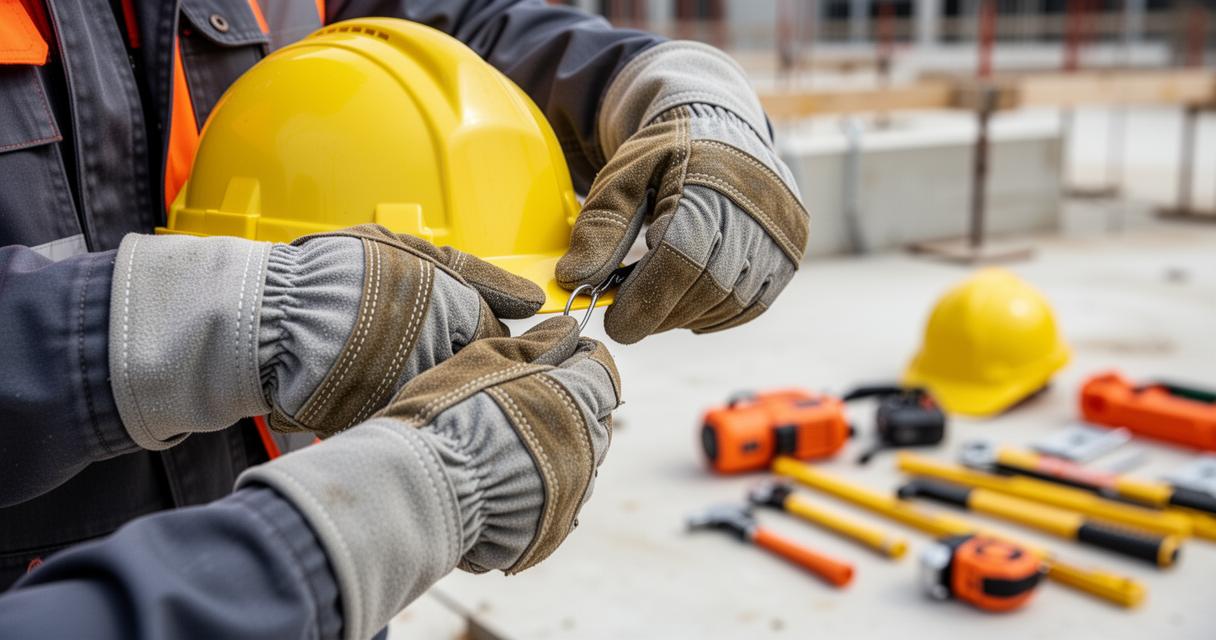
- Mandatory PPE signs, reminding workers to wear appropriate protective equipment such as hard hats, gloves, or goggles.
- Hazard warning signs, alerting staff to specific risks such as electrical hazards or confined spaces.
- Emergency safety symbols, directing people swiftly to fire exits, first aid kits, and eyewash stations.
This structured system of visual safety communication ensures that people from diverse backgrounds and language groups can interpret critical information without confusion, making signs a particularly inclusive tool in multicultural workplaces.
How Clear Visual Communication Reduces the Risk of Accidents on Site
The power of a well-designed sign lies in its immediacy. Pictographic symbols and colour-coded designs bypass language barriers entirely, delivering clear safety instructions at a glance. Employees who consistently encounter correct and visible signage tend to feel more secure in their roles, which in turn boosts focus and productivity. A workplace where people feel genuinely protected fosters higher morale and a stronger sense of collective responsibility — both of which are cornerstones of employee safety awareness.
Implementing an Effective Safety Signage Strategy in Your Workplace
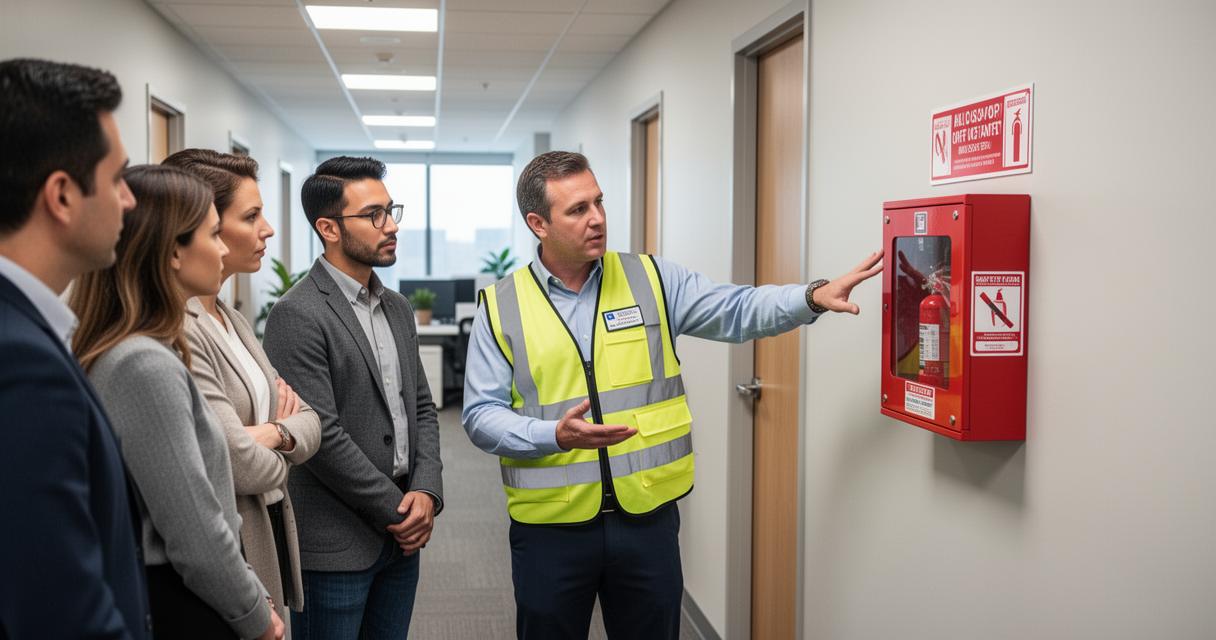
Putting the right signs in the right places requires more than purchasing a standard selection off the shelf. A thorough workplace risk assessment should always precede any signage decisions, identifying precisely where hazards exist and which type of sign addresses each one most effectively. Under the Health and Safety (Safety Signs and Signals) Regulations 1996, employers in the United Kingdom are legally obliged to provide safety signs wherever a significant risk cannot be eliminated or sufficiently controlled by other means, and they must ensure staff are familiar with any signs that may be unfamiliar to them.
Choosing the Right Signs for Your Specific Work Environment
A construction site, a laboratory, and a retail warehouse each carry distinct hazard profiles, so a one-size-fits-all approach rarely serves well. Fire safety signage, for instance, is non-negotiable across virtually all premises, whereas mandatory safety instructions relating to chemical handling will be specific to environments where such substances are present. The Health and Safety Executive in the United Kingdom regulates these requirements, and safety signs compliance is not optional — poor adherence exposes businesses to fines and reputational damage, as well as placing employees at unnecessary risk.
Maintaining and Regularly Reviewing Signage to Keep Protection Up to Standard
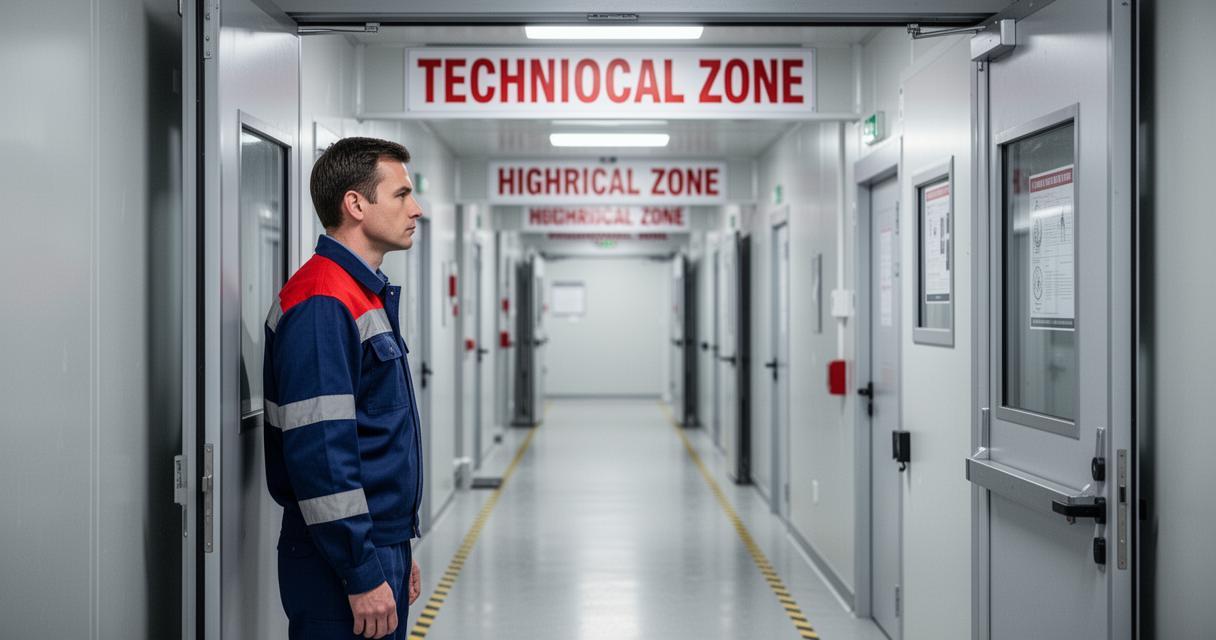
Installing signs is only the beginning. Safety signage maintenance is an ongoing obligation: signs must remain legible, unobstructed, and in good physical condition at all times. As working practices evolve, new equipment is introduced, or layouts change, the signage strategy must be revisited accordingly. Employers are also required to maintain any signs they provide, replacing damaged or faded examples promptly. Regular reviews, ideally integrated into routine health and safety audits, help ensure that health and safety signs continue to reflect the actual conditions of the workplace rather than becoming outdated fixtures that staff learn to ignore.
Ultimately, a thoughtful and well-maintained safety signalling strategy is one of the most straightforward investments a business can make in incident prevention. It protects people, supports legal compliance, and sends a clear message that the wellbeing of every individual on site is taken seriously.
 Top 10 Safety Signage Suppliers in the UK for 2026: Why Seton Leads the Pack
 Top 10 Safety Signage Suppliers in the UK Compared: Why Seton UK Leads the Way in 2026
 Web Designer in Siem Reap: Digital My Business – Your Complete Guide to Making the Right Choice
 2026’s Best Workday Consulting Firms: A Comparison of HCM Advisory Service, Accenture, Deloitte, IBM, and NTT DATA Business Solutions