
The acquisition of gefco: how french logistics navigated russian sanctions
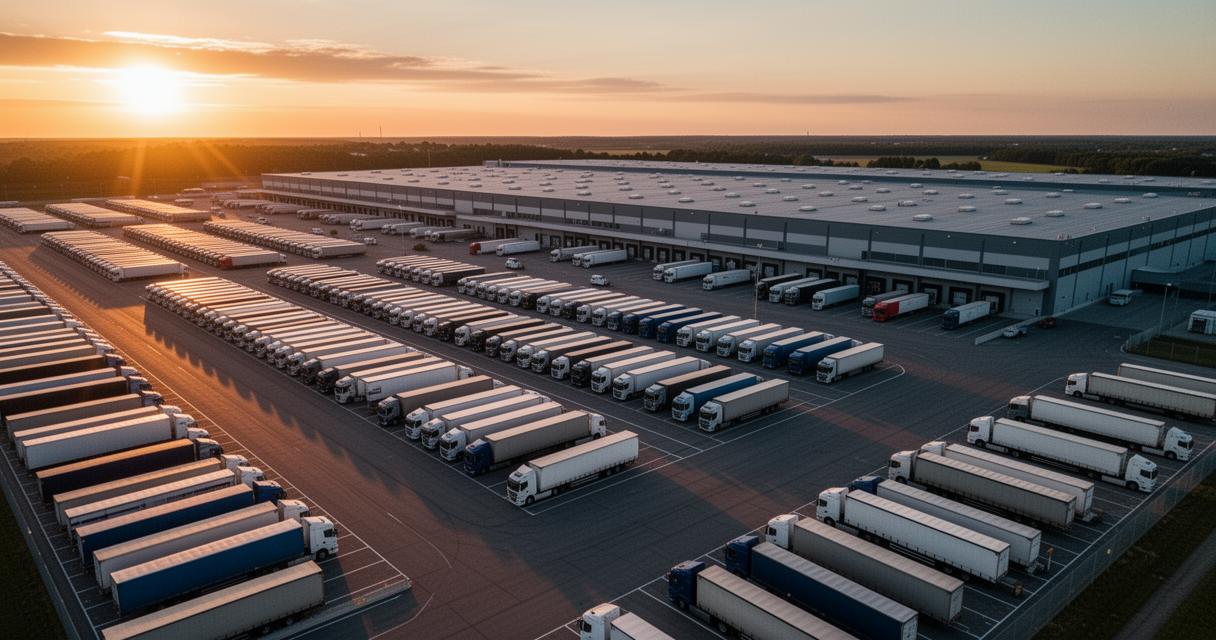
Few corporate transactions in recent European history have carried as much geopolitical weight as the acquisition of Gefco. What began as a logistics restructuring story quickly evolved into a vivid illustration of how international politics can reshape entire freight networks overnight. The purchase of Gefco became, in the eyes of many observers, a defining symbol of Russian sanctions in France — a case study in how economic warfare forces businesses to adapt, and adapt swiftly.
What to know
- The acquisition of Gefco by CMA CGM serves as a primary case study on how geopolitical tensions and international sanctions forced a rapid restructuring of strategic European logistics assets.
- Gefco’s original ownership structure became untenable due to sanctions imposed on Russia, necessitating a change in corporate governance to ensure regulatory compliance and operational stability.
- CMA CGM, led by Rodolphe Saadé, acquired Gefco to expand its reach from maritime container shipping into land-based freight, aiming to build end-to-end logistics infrastructure.
- The transaction was heavily influenced by the urgent need to secure supply chains amidst global trade disruptions, post-pandemic challenges, and rising energy costs.
- European Commission oversight confirmed that the acquisition was necessary for market integrity, highlighting the growing intersection of corporate capital, national security, and regulatory policy.
- The takeover reflects a broader trend of consolidation in the logistics sector, where larger firms are better positioned to navigate the economic and political risks of a volatile global landscape.
The geopolitical fallout for transport infrastructure
Impact of International Sanctions on Freight Networks
When Russia launched its military offensive against Ukraine, the consequences for European transport and logistics companies were immediate and far-reaching. France, like many countries across the European Union, found itself compelled to reassess commercial ties that had previously seemed entirely routine. Gefco, a major French logistics operator with deep historical roots in road and rail freight, was particularly exposed. Its shareholding structure meant that the war in Ukraine did not simply create operational disruption — it raised urgent questions about corporate governance, regulatory compliance, and the very legitimacy of its ownership in a European context.
The broader European shipping and transport sector faced a reckoning. International sanctions imposed by the European Union, the United Kingdom, and the United States in response to the conflict made it legally and commercially untenable for certain Russian-linked business interests to maintain significant stakes in strategic European infrastructure. Freight networks that had operated across borders with relative freedom suddenly found themselves caught between political allegiances and economic realities, with road haulage operators and rail freight companies alike navigating an extraordinarily complex regulatory landscape.
The Urgent Need for Shareholding Restructuring in France
The situation demanded a rapid response. French authorities and European regulators made clear that shareholding restructuring was not merely advisable but necessary for companies operating within the Union’s regulatory framework. Gefco, whose logistics footprint spanned container transport, road freight, and supply chain management across numerous European countries, could not function effectively under a cloud of sanctions-related uncertainty. The search for a new owner became both a commercial imperative and a political priority — one watched closely by transport ministries, business communities, and European Commission officials alike.
The political climate in France at the time added further complexity. With voices across the political spectrum weighing in on questions of strategic industries and national interest, the future of Gefco became entangled in broader debates about the role of the state, the responsibilities of business, and the meaning of European solidarity in wartime. Transport had rarely been so central to the political conversation.
CMA CGM and the Strategic Takeover Operations
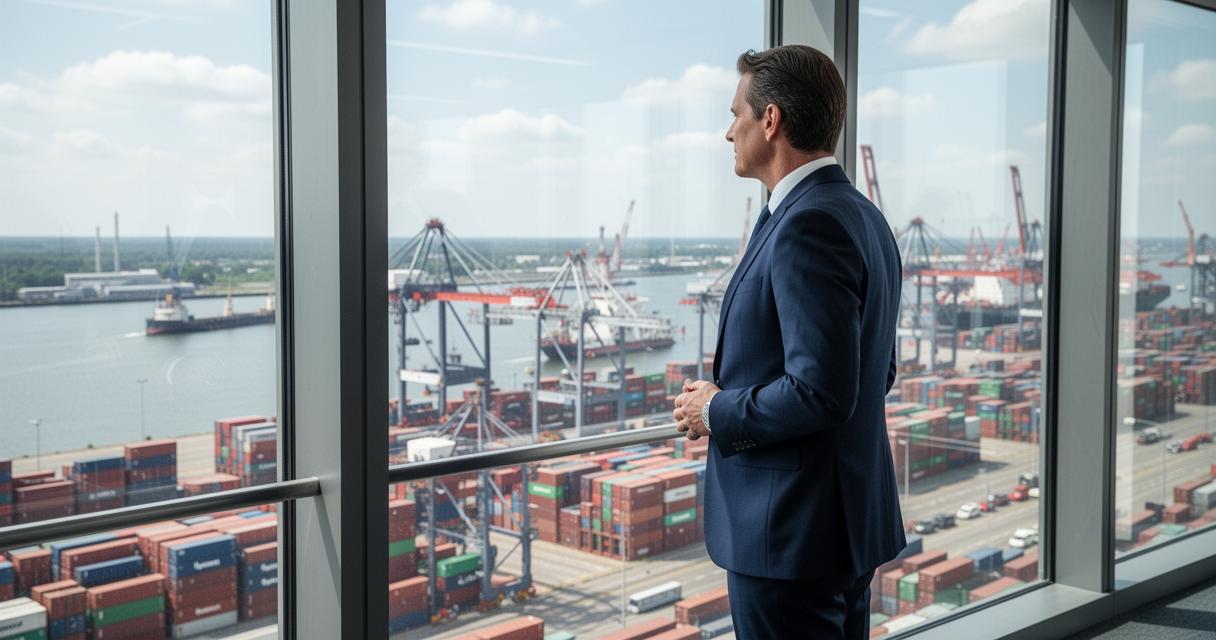
Rodolphe Saadé and the Expansion of Logistics Capital
It was against this backdrop that CMA CGM, the French shipping and logistics group, emerged as the buyer. Led by Rodolphe Saadé, the group had already established itself as one of the most dynamic forces in global container shipping. The acquisition of Gefco represented a significant expansion of its logistics capital — a move that extended the group’s reach from maritime containers into road, rail, and multimodal freight operations across Europe and beyond.
Rodolphe Saadé’s strategic vision was clear: in a world of increasing supply chain disruption, owning end-to-end logistics infrastructure was not a luxury but a competitive necessity. The Gefco buyout fitted neatly into a broader pattern of investment by CMA CGM in land-based freight, warehousing, and transport services. For a group whose business model had long centred on the movement of goods across oceans, the addition of a major European road and rail operator represented a genuinely transformative step.

Securing supply chains amongst global trade disruption
The timing of the transaction was, in many respects, emblematic of the era. Global trade was already under pressure from pandemic-related disruptions, port congestion, and rising energy costs — with liquefied natural gas prices surging across European markets in the wake of the conflict. The emissions and environmental debates that had characterised pre-war logistics discussions had not disappeared, but they were now layered over by far more immediate concerns about supply chain resilience and geopolitical transparency.
CMA CGM’s move to secure Gefco was therefore as much about strategic positioning as it was about seizing an opportunity created by extraordinary circumstances. By bringing a French logistics group back under French and European ownership, the transaction also carried a degree of symbolic capital that neither business nor political leaders were shy about acknowledging. The question of who controls critical transport infrastructure had rarely felt so urgent.
Economic consequences for european shipping markets
Regulatory Approval from the European Commission
Any transaction of this scale required scrutiny from the European Commission, whose role in reviewing mergers and acquisitions affecting the single market is well established. The Commission’s assessment took into account both the competitive dynamics of the European freight sector and the broader context of sanctions compliance. Regulatory approval was a necessary step before the deal could be fully completed, and its granting reflected a judgement that the transaction served legitimate business purposes and did not unduly concentrate market power in road or rail freight.
The involvement of European institutions underscored a wider truth about the modern logistics industry: capital, regulation, and geopolitics are now inseparable. Decisions that might once have been treated as purely commercial — who owns a freight company, how its capital is structured — now carry implications for national security, sanctions enforcement, and the integrity of European supply chains. The Gefco case made this reality impossible to ignore.

Future Outlook for Road and Rail Freight Operators
The longer-term consequences of the Gefco acquisition for European shipping and freight markets remain a subject of considerable interest. The deal accelerated a trend towards consolidation in the logistics sector, with larger, better-capitalised groups able to absorb the shocks of geopolitical disruption more effectively than smaller operators. Road freight companies and rail operators across the continent took note, as did the businesses that depend on them for the movement of goods.
For France in particular, the episode offered a reminder that logistics infrastructure is a strategic asset deserving the same careful attention as energy, telecommunications, or defence. The purchase of Gefco, born of crisis and shaped by sanctions, ultimately pointed towards a future in which the ownership of transport networks will remain a matter of enduring political and economic significance — not just in France, but across the European Union and the wider world of global trade.